A well-rounded curriculum does more than prepare pupils for exams. It opens doors, fuels curiosity, and gives children the confidence to explore who they are and what they might become.
When schools blend Science, Humanities, and the Arts with equal care, pupils benefit from an education that is both academically robust and personally enriching.
Building Curiosity Through Science
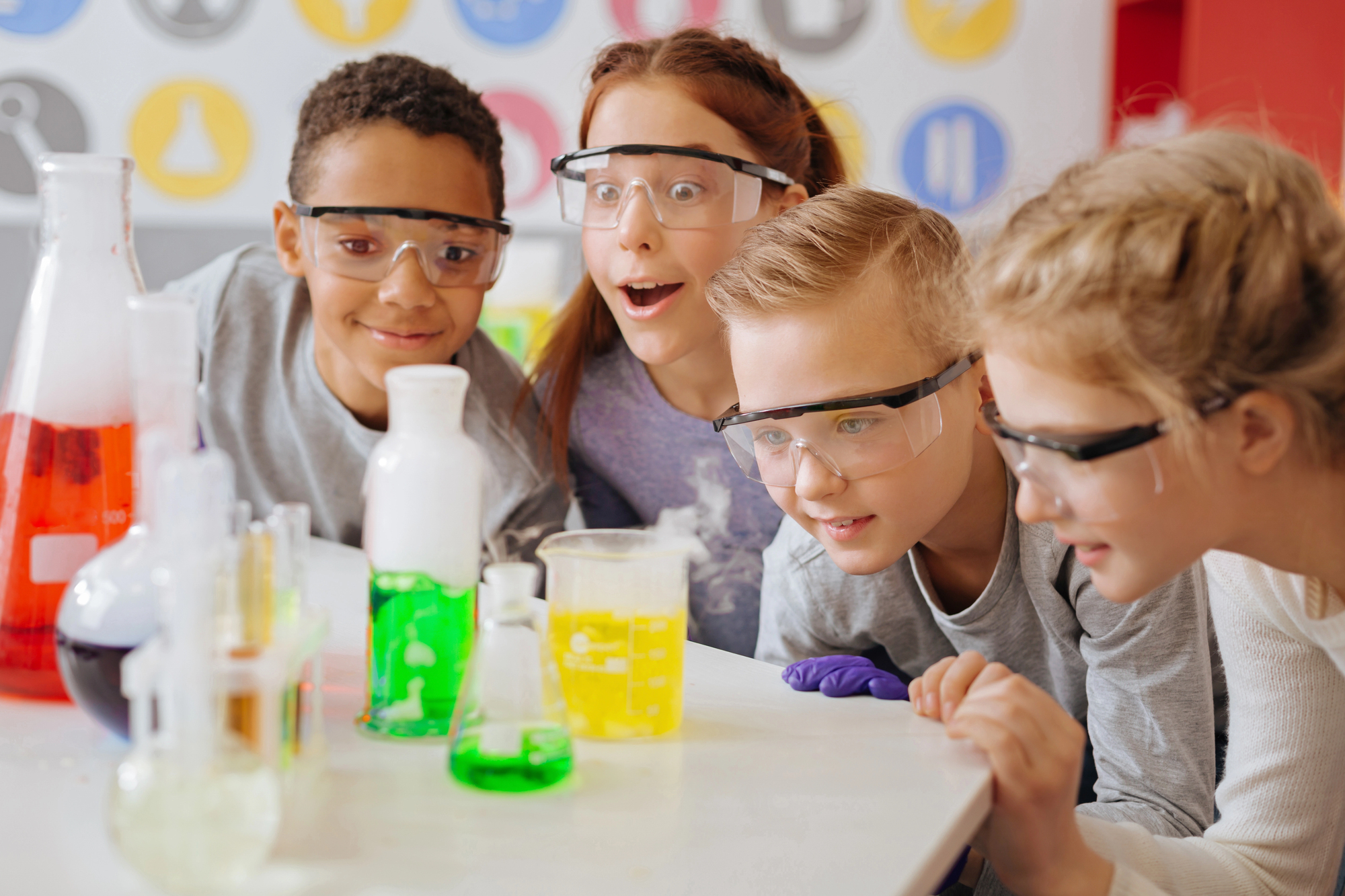
Science has a unique way of sparking wonder. Whether pupils are learning about forces, exploring ecosystems, or experimenting with chemical reactions, science encourages them to question the world around them.
A strong science curriculum helps children develop essential skills such as problem-solving, logical thinking, and the ability to test ideas through practical investigation.
This senior school in London suggests that hands-on experiments are particularly powerful. When pupils can see, touch, and test scientific concepts, learning becomes far more memorable.
A curriculum that encourages regular practical work not only deepens understanding but also nurtures perseverance, creativity, and the confidence to approach challenges with an open mind.
Understanding the World Through the Humanities
Humanities subjects, including history, geography, and religious education, offer pupils a richer understanding of people, places, and cultures.
These subjects help children develop empathy and a broader perspective, encouraging them to look beyond their own experiences and consider the lives and challenges of others.
In history, pupils engage with stories and events that shaped the world, helping them appreciate how societies change over time.
Geography takes them further, building knowledge of different environments and inspiring pupils to think critically about global issues such as climate change and sustainability.
Religious education encourages thoughtful discussion and respect for diverse beliefs, helping pupils to form well-rounded personal values.
Together, the humanities strengthen communication skills, deepen cultural awareness, and give children the frameworks they need to understand both the past and the present.
Unlocking Creativity Through the Arts
The arts are essential to a balanced education. Subjects such as music, drama, and visual art offer pupils a space to express themselves and explore ideas beyond the structure of academic subjects. Creative opportunities help children develop confidence, imagination, and emotional resilience.
Art encourages pupils to experiment and accept that mistakes are part of the process. Music builds discipline and teamwork, whether pupils are learning an instrument or performing as part of a group.
Drama strengthens communication skills and helps pupils develop empathy by stepping into different roles and perspectives.
A curriculum that values the arts signals to pupils that creative thinking is just as important as academic achievement.
It nurtures talents that might otherwise go unnoticed and enriches school life with colour, energy, and joy.
Bringing It All Together
When Science, Humanities, and the Arts work in harmony, pupils benefit from a truly inspiring education. They develop a balanced set of skills, from analytical thinking to creativity, communication, and cultural understanding.
By offering a curriculum that celebrates all three areas, schools create an environment where every child can discover their strengths, broaden their horizons, and feel motivated to learn.
Such a curriculum doesn’t simply prepare pupils for the next stage of their education. It prepares them for life.