
In today’s busy world, it can be easy to focus solely on schoolwork, hobbies, and family life.
Yet, encouraging children to get involved in their communities is an invaluable part of their growth.
From building social skills to fostering empathy, community involvement provides lessons that extend far beyond the classroom.
Building Social Connections
One of the most immediate benefits of community involvement is the opportunity for children to meet and interact with a wide range of people.
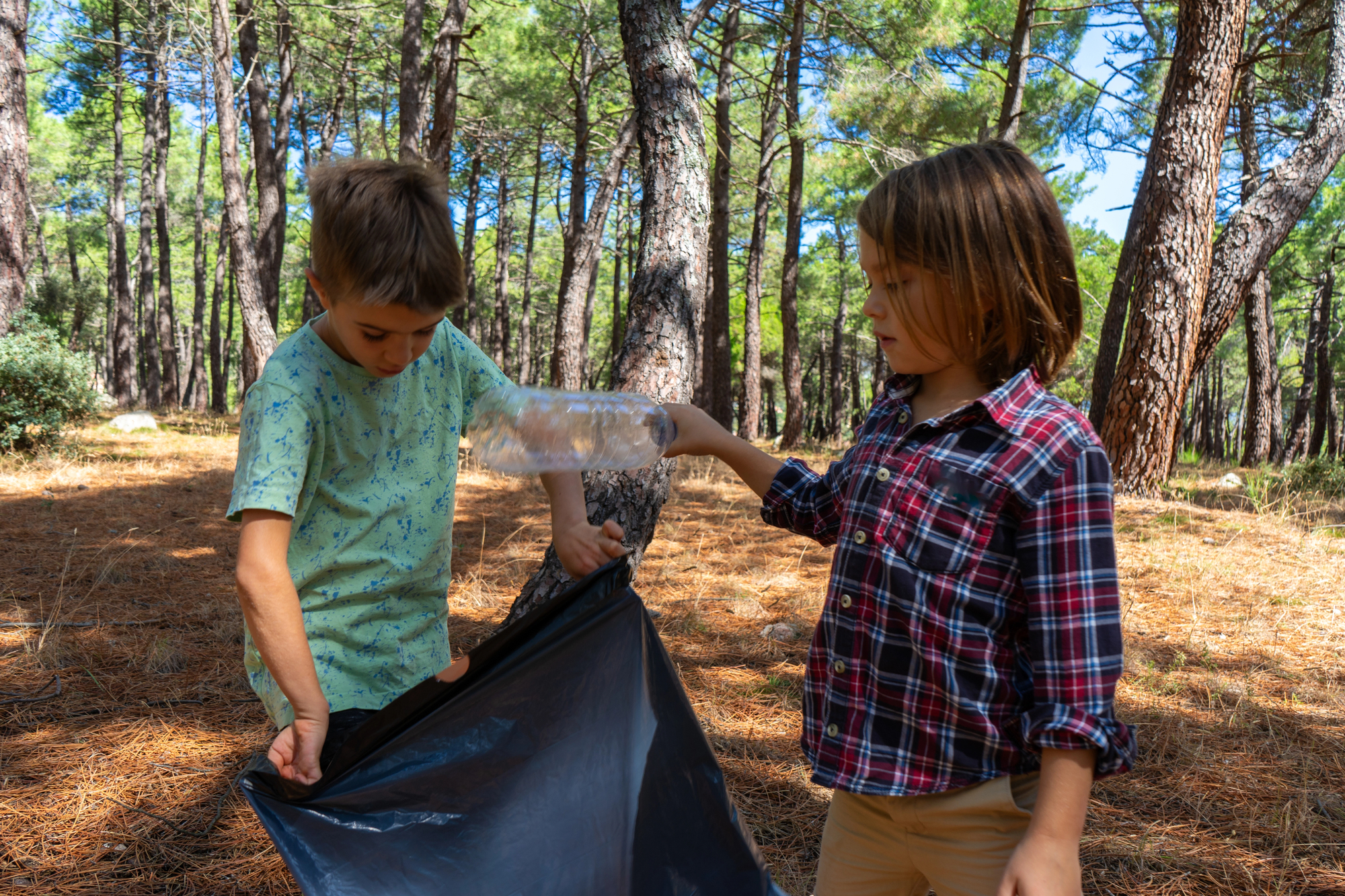
Whether it’s helping at a local food bank, joining a youth sports team, or participating in community clean-up events, children learn to communicate, collaborate, and build friendships with others.
These interactions help them develop essential social skills such as teamwork, active listening, and conflict resolution, which are crucial for both personal and academic success.
Developing Empathy and Compassion
When children participate in community activities, they are exposed to diverse experiences and perspectives.
Volunteering at a charity, helping elderly neighbours, or engaging with local cultural events allows children to see the challenges others face.
This exposure fosters empathy, teaching them to consider the needs and feelings of others.
Compassion is not something children can learn solely through textbooks; it is nurtured through meaningful, real-world experiences that make them aware of the impact their actions can have on others.
Encouraging Responsibility and Independence
Community involvement often comes with responsibilities. Children learn to follow through on commitments, manage their time effectively, and take initiative.
For example, organising a neighbourhood fundraiser or participating in a school community project requires planning, dedication, and accountability.
These experiences help children gain a sense of independence while understanding the value of contributing to something larger than themselves.
Boosting Confidence and Self-Esteem
Taking part in community activities also provides children with opportunities to try new things and challenge themselves.
Successfully completing a project or helping someone in need can give them a tangible sense of achievement. This boosts their confidence and self-esteem, helping them feel capable and empowered.
Over time, children who engage in community involvement often develop a stronger sense of identity and purpose, knowing they can make a positive difference.
Creating a Sense of Belonging
Finally, being part of a community helps children feel connected. It gives them a sense of belonging and teaches them that they are valued contributors.
This feeling of inclusion can have lasting benefits, supporting mental and emotional well-being and encouraging them to continue giving back as they grow older.
Community involvement is more than just a nice-to-have for children; it is a vital part of their development.
By participating in local activities, volunteering, and engaging with others, children gain social skills, empathy, confidence, and a sense of responsibility.
Encouraging kids to get involved in their communities not only benefits those around them but also lays the foundation for well-rounded, compassionate