
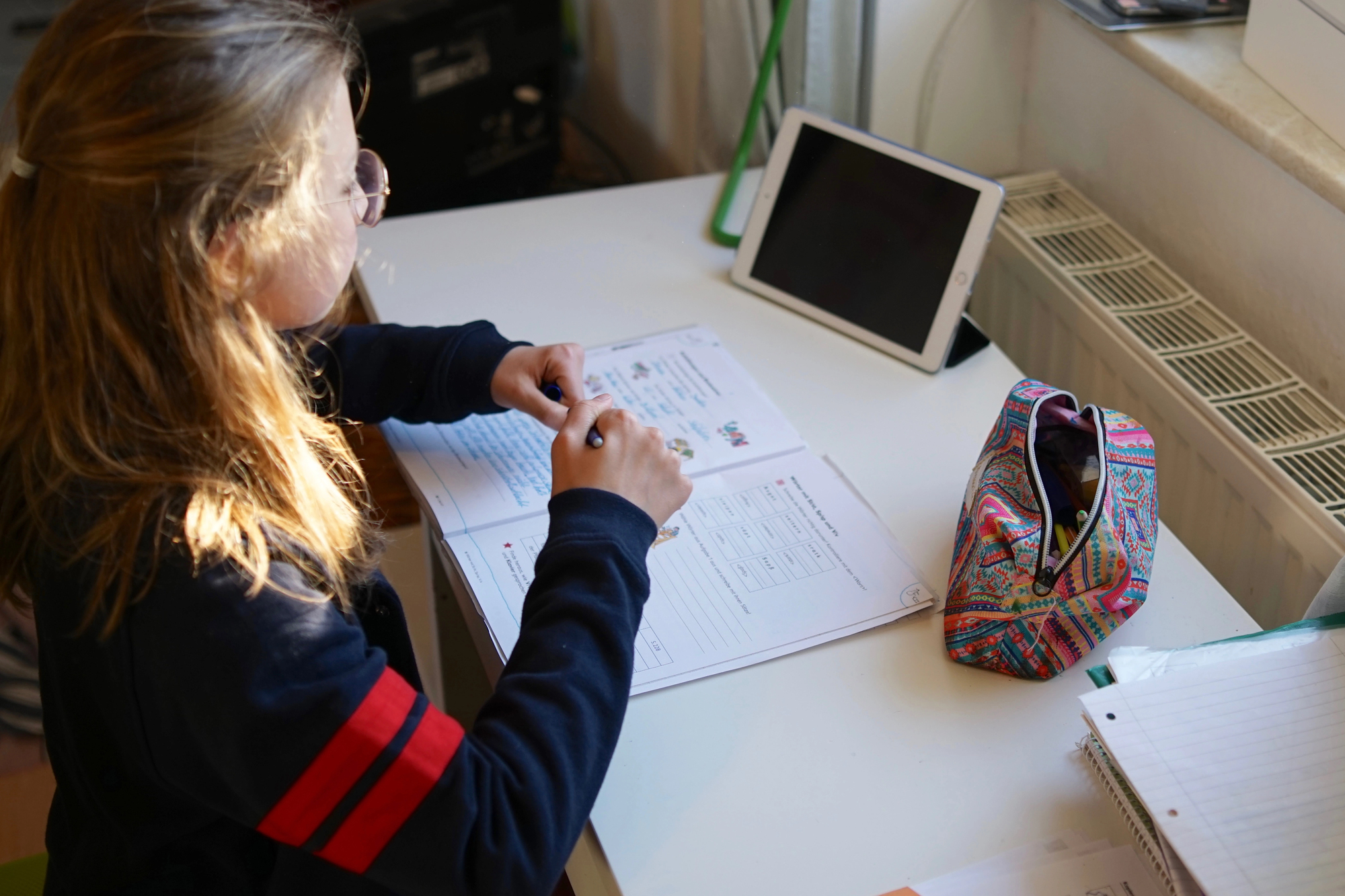
Online schooling has grown rapidly in recent years, and for many families it has moved from being a niche option to a serious alternative to traditional education.
If you’re wondering whether an online school could be right for your child, it’s worth exploring both the benefits and the considerations before making a decision.
What Is an Online School?
An online school delivers education remotely, usually through live lessons, recorded sessions, digital resources and virtual classrooms.
Some follow the UK National Curriculum, while others offer international programmes such as IGCSEs or the International Baccalaureate.
Learning can be full-time or part-time, depending on the provider and your child’s needs.
The Benefits of Online Schooling
One of the biggest advantages of online schooling is flexibility. Children can learn at a pace that suits them, often with more control over their daily routine.
This can be especially beneficial for pupils who feel overwhelmed in busy classrooms or who need more time to absorb information.
Online schools can also provide access to a wider range of subjects or specialist teaching that may not be available locally.
For families who travel frequently, live abroad, or relocate often, online education offers continuity and consistency.
For some children, particularly those who experience anxiety, bullying, or health challenges, learning from home can create a calmer and more supportive environment. Reduced travel time can also free up hours for hobbies, rest, or family life.
Is Online Learning Right for Every Child?
While online schooling has many strengths, it isn’t the perfect fit for everyone. Children need a degree of self-motivation and independence to stay engaged, particularly as they get older.
Younger pupils may require significant parental involvement, especially with organisation and routine.
Social interaction is another important factor. Although many online schools offer virtual clubs, group projects and live discussions, these experiences are different from face-to-face friendships and playground interactions.
Families often need to supplement online learning with local activities, sports clubs or community groups.
It’s also important to consider screen time. Spending long periods online can be tiring, so a well-structured programme that balances live lessons with offline tasks is essential.
What to Look for in an Online School
If you are considering this route, look closely at accreditation, curriculum quality and teaching staff.
Check how lessons are delivered, how progress is assessed, and what support is available if your child struggles.
Clear communication, pastoral care and opportunities for interaction are key indicators of a strong online school.
Making the Right Choice for Your Family
Choosing an online school is a highly personal decision. What works well for one child may not suit another.
Taking time to reflect on your child’s learning style, personality and emotional needs can help you decide whether online education could be a positive and empowering option.
With the right setup and support, online schooling can offer a flexible, engaging and effective educational experience—one that fits around your child, rather than forcing them to fit the system.