
Raising an environmentally conscious child doesn’t require perfection or dramatic lifestyle changes. Instead, it’s about fostering awareness, curiosity and responsibility through everyday actions.
Children are naturally observant, and the habits they see at home often shape how they view the world. By embedding sustainable thinking into daily life, parents can help children grow into thoughtful, eco-aware adults.
Lead by Example
This prep school in London suggests that children learn best by watching the adults around them. Simple behaviours such as recycling, reducing food waste or choosing to walk rather than drive for short journeys send powerful messages.
When sustainability is part of everyday life rather than something discussed occasionally, children begin to see caring for the environment as normal and important. T
alking openly about why you make certain choices helps children understand the impact of those actions.
Encourage Curiosity About Nature
Spending time outdoors is one of the most effective ways to nurture environmental awareness. Walks in the park, trips to the countryside or even time in the garden allow children to connect with the natural world.
Encourage them to notice wildlife, changes in the seasons and the importance of plants and trees. When children feel connected to nature, they are more likely to want to protect it.
Teach Practical, Age-Appropriate Habits
Introducing small, manageable habits can make sustainability feel achievable. Younger children can help sort recycling, turn off lights or save water while brushing their teeth.
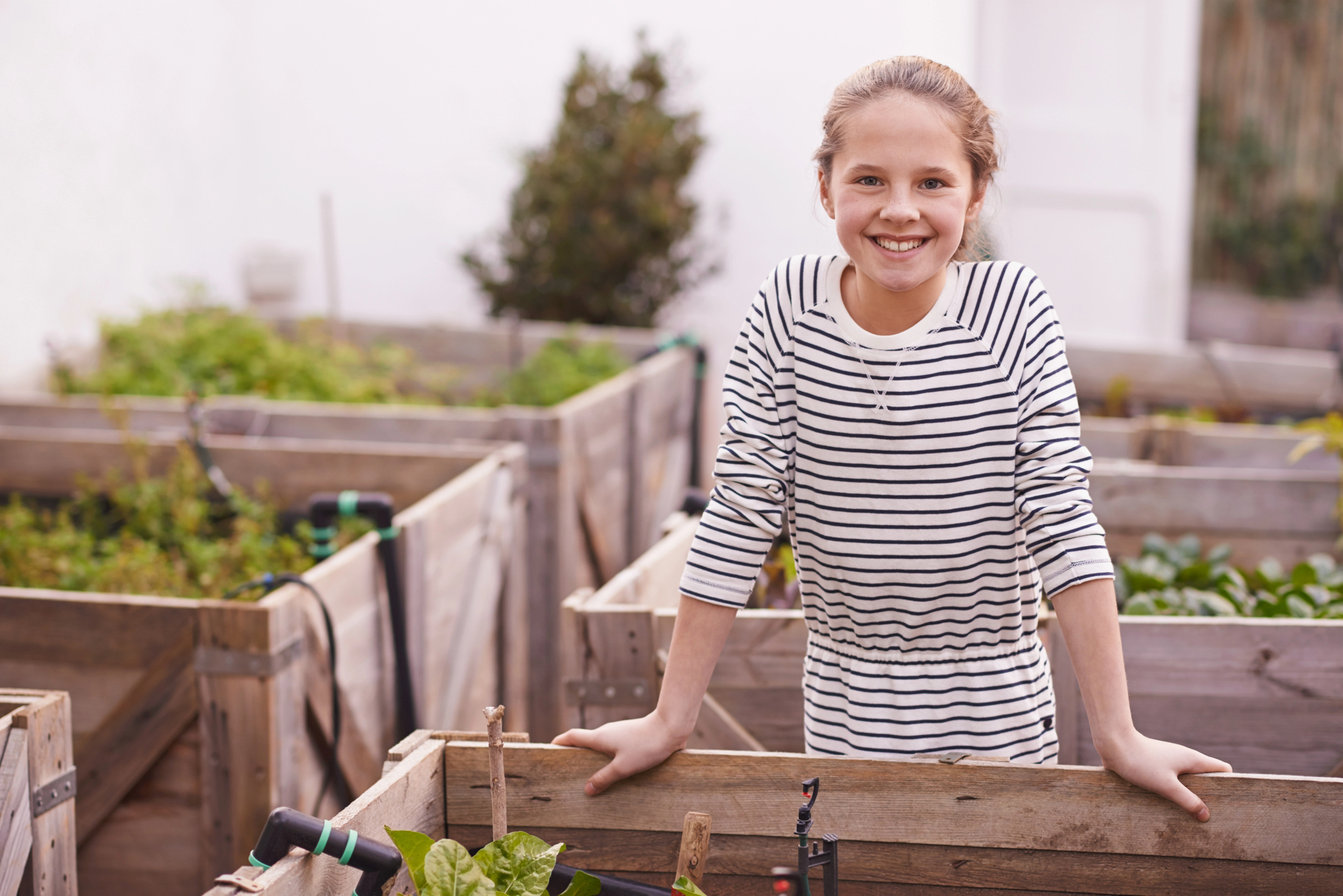
Older children can take part in growing vegetables, repairing items rather than replacing them, or learning about where food and clothing come from.
These hands-on activities build a sense of responsibility and show that individual actions matter.
Talk About Environmental Issues Positively
While it’s important to be honest about environmental challenges, avoid overwhelming children with fear or guilt. Focus on solutions and progress rather than problems alone.
Discuss how communities, scientists and young people are making positive changes around the world. This approach helps children feel empowered rather than helpless and encourages optimism about their ability to make a difference.
Encourage Thoughtful Consumption
Teaching children to value quality over quantity can help reduce wasteful habits. Encourage them to look after their belongings, donate toys they no longer use and think carefully before buying something new.
Talking about second-hand items, borrowing and sharing helps children understand that sustainability isn’t about deprivation, but about making thoughtful choices.
Celebrate Small Wins
Raising an environmentally conscious child is a gradual process. Celebrate small achievements, whether it’s remembering to recycle, choosing a reusable bottle or showing concern for wildlife. Positive reinforcement builds confidence and reinforces the idea that their efforts are worthwhile.
Building Lifelong Values
Ultimately, raising an environmentally conscious child is about instilling values rather than enforcing rules.
By creating a supportive environment where sustainability is woven into everyday life, parents can help children develop respect for the planet and a sense of responsibility for future generations.
These early lessons often stay with children long into adulthood, shaping how they care for the world around them.